Many adventurers wonder: is mountaineering in Nepal safe? With eight of the world’s fourteen 8,000-meter peaks, Nepal draws climbers seeking epic challenges. The short answer is yes, mountaineering in Nepal is safe for those who prepare properly, follow regulations, and choose experienced support. Recent government updates have made high-altitude expeditions safer than ever. At ABC Treks, we’ve safely guided climbers for over two decades, prioritizing your security in these majestic Himalayas.
Real Risks of Mountaineering in Nepal in 2026
Mountaineering in Nepal involves inherent risks, but awareness and preparation minimize them significantly. In 2025, fatalities on major peaks like Everest were notably lower than in previous years, thanks to better weather windows and stricter guidelines.
Altitude and Health Challenges
Altitude sickness affects many above 3,000 meters, with symptoms like headaches escalating if ignored. Proper acclimatization reduces this risk dramatically. Our Everest Base Camp Trek includes built-in rest days for safe adaptation.
Weather, Avalanches, and Terrain
Sudden Himalayan storms and avalanches remain threats, but real-time monitoring helps avoid dangerous periods. Guided teams stay informed via sources like the Nepal Tourism Board.
Latest Safety Regulations and Changes
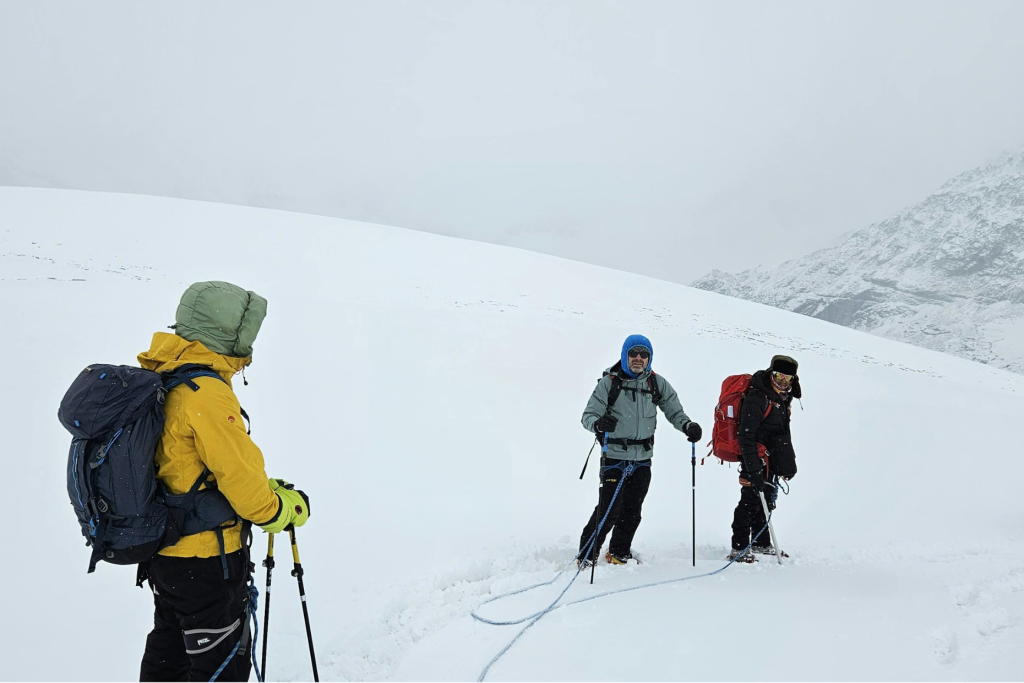
Since September 2025, Nepal’s sixth amendment to mountaineering rules has enhanced safety. Key updates include banning solo climbs on 8,000-meter peaks, requiring one certified guide per two climbers above 8,000 meters, and mandating prior summit of a Nepali 7,000-meter peak for Everest attempts. Permit fees increased to deter unprepared climbers. Details available from the Department of Tourism Nepal.
Permits and Insurance Requirements
All expeditions need specific permits and comprehensive insurance for high-altitude evacuations. Helicopter rescues are efficient in remote areas. Our Mount Everest Expedition packages handle these seamlessly.
Essential Preparation for Safe Mountaineering in Nepal
Thorough preparation makes mountaineering in Nepal safe and enjoyable. Train 6–12 months ahead with cardio, strength, and altitude simulation. Undergo medical checks, pack quality gear, and follow “climb high, sleep low” principles.
Fitness and Gear Tips
Focus on endurance and mental resilience. Essential items include layered clothing, crampons, and AMS meds. Check our packing guides on the Annapurna Circuit Trek or Manaslu Circuit Trek pages.
Why Choosing a Reliable Agency Matters
A trusted agency is key to safe mountaineering in Nepal. Look for licensed operators with experienced Sherpas and strong safety records. At ABC Treks, our local guides monitor health daily and manage logistics expertly. Check client reviews which reflect the commitment. Start with options like our Langtang Valley Trek.
Success Stories and Recent Trends
Thousands summit safely each year with proper support. Clients have conquered Island Peak and Annapurna circuits securely, crediting expert guidance and acclimatization. Recent lower fatality rates show that responsible mountaineering in Nepal leads to transformative, safe adventures.
Final Thoughts: Is Mountaineering in Nepal Safe?
Yes—mountaineering in Nepal is safe when you respect the mountains, adhere to updated rules, prepare diligently, and partner with professionals. Risks exist, but smart planning turns them into triumphs.
Ready for your safe Himalayan ascent? Contact ABC Treks for expert, personalized guidance. Inquire today at https://abctrekking.com/contact—your epic journey awaits!