Mandatory Guide Rule: Nepal Solo Trekking Ban Explained (2026 Update)
Mandatory Guide Rule: Nepal Solo Trekking Ban Explained (2026 Update)
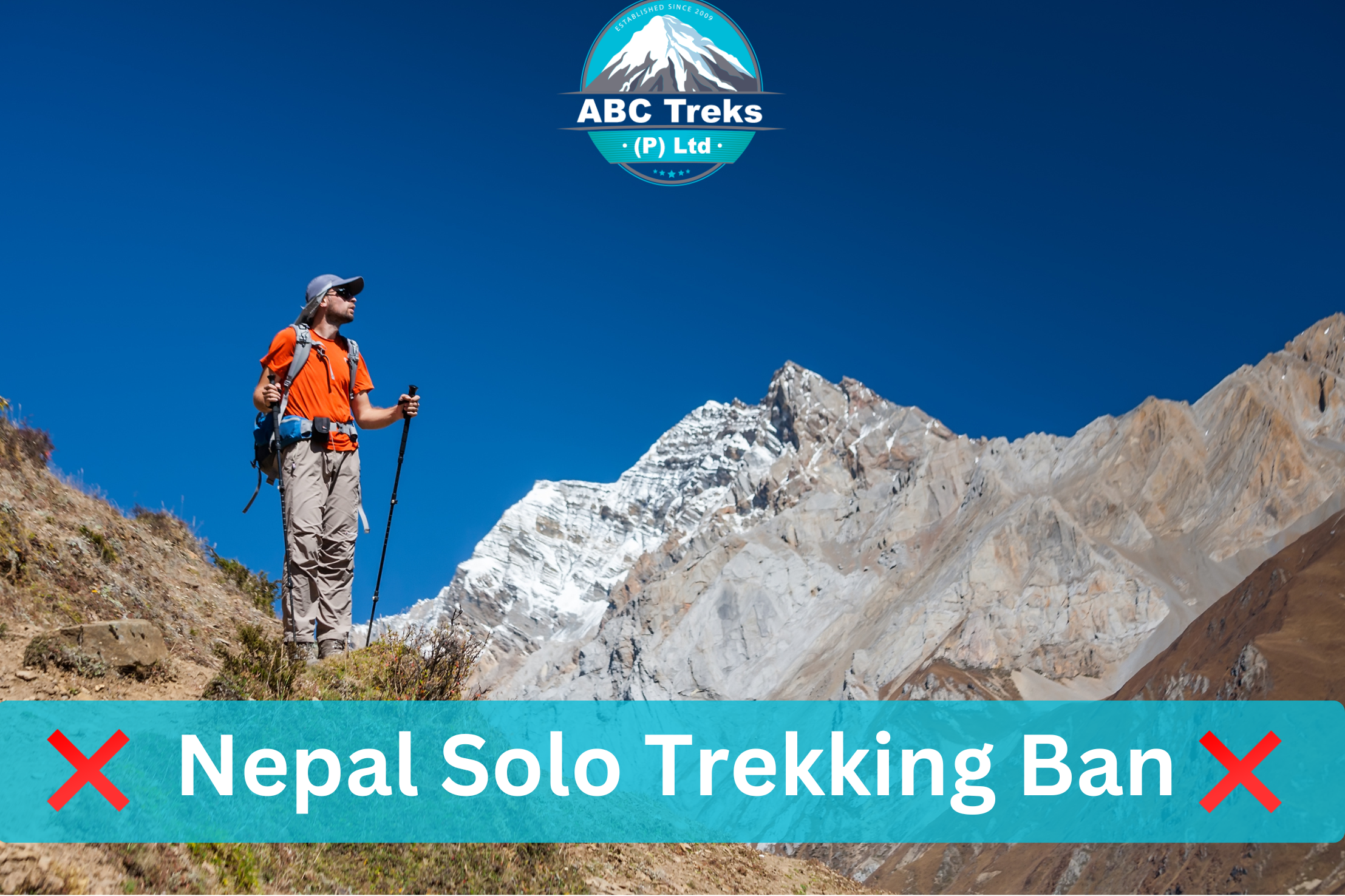
Nepal introduced the Solo Trekking Ban for foreign trekkers in protected areas starting April 1, 2023. Moreover, this mandatory guide rule requires all trekkers to hire a licensed guide through a registered trekking agency. However, recent changes in March 2026 allow solo travelers to obtain permits for restricted areas without a minimum group size. Additionally, guides remain mandatory everywhere in national parks and conservation zones. Consequently, independent unguided trekking is no longer possible on major routes. Furthermore, the policy aims to boost safety and local employment. Therefore, travelers now plan trips with professional support from agencies like ABC Treks.
What Is the Nepal Solo Trekking Ban?
The Solo Trekking Ban prohibits foreign trekkers from hiking alone without support in designated regions. Consequently, you must book through a registered agency and travel with a licensed guide. Moreover, TIMS cards now link to agency-managed groups in many areas. However, some short day hikes outside conservation zones stay flexible. Additionally, the rule applies mainly to national parks and protected trails. Therefore, safety checkpoints enforce compliance effectively.
Why Nepal Introduced the Solo Trekking Ban
Safety concerns drove the decision. Moreover, altitude sickness, bad weather, and remote terrain cause frequent rescues. Additionally, unguided trekkers sometimes create environmental damage or stray off trails. Consequently, the policy creates more jobs for local guides and porters. Furthermore, it ensures better cultural respect and emergency response. Therefore, the Solo Trekking Ban protects both visitors and Himalayan communities while promoting responsible tourism.
Which Areas Does the Solo Trekking Ban Affect in 2026?
The Solo Trekking Ban impacts major routes. Moreover, it covers the Everest region, Annapurna Conservation Area, Langtang National Park, and Manaslu. Additionally, restricted zones like Upper Mustang, Upper Dolpo, Kanchenjunga, and Nar Phu Valley require strict agency support. However, certain lower trails or day hikes near Pokhara and Kathmandu often remain open without guides. Consequently, always verify your specific itinerary. Furthermore, enforcement occurs at checkpoints by park staff and police.
Key 2026 Updates on the Solo Trekking Ban
On March 23, 2026, Nepal eased rules for restricted areas. Moreover, solo travelers can now apply for permits without needing a second person. However, you still must use a registered TAAN agency and a licensed guide. Additionally, one guide can now support up to seven trekkers. Consequently, options expanded for independent-minded adventurers. Furthermore, digital processes speed up applications. Therefore, the Solo Trekking Ban continues but with more flexibility for solo bookings through professionals.
How to Trek Legally Under the Solo Trekking Ban
First, contact a licensed agency like ABC Treks. Moreover, provide passport details and proof of travel insurance. Additionally, your guide must hold NATHM or NMA certification. Consequently, the agency handles all permits, including restricted area approvals. Furthermore, prepare for costs of $25–35 USD per day for a basic guide. Therefore, join popular packages such as our Everest Base Camp Trek or Annapurna Base Camp Trek. However, porters remain optional for lighter loads.
Explore other adventures via Manaslu Circuit Trek or Upper Mustang Trek.
Benefits of Trekking with a Licensed Guide
Guides know trails, weather patterns, and altitude signs intimately. Moreover, they share local stories and hidden viewpoints. Additionally, quick emergency coordination saves time and lives. Consequently, your experience becomes richer and more secure. Furthermore, agencies ensure proper insurance and fair wages for staff. Therefore, the Solo Trekking Ban actually enhances many trekkers’ journeys.
For official information, check the Nepal Tourism Board or TAAN.
FAQs About the Solo Trekking Ban
Can I trek completely alone under the Solo Trekking Ban?
No. However, you can trek solo with a licensed guide arranged through an agency.
Does the Solo Trekking Ban apply to all trekking regions?
It mainly affects national parks and conservation areas. Moreover, some short day hikes near cities stay exempt.
What changed for restricted areas in the 2026 Solo Trekking Ban update?
Solo permits became available without a group minimum. Additionally, guides still remain required.
How much does hiring a guide cost after the Solo Trekking Ban?
Basic rates run $25–35 per day. Furthermore, full packages from ABC Treks include permits and support.
Do I need special insurance for treks under the Solo Trekking Ban?
Yes. High-altitude and evacuation coverage is essential. Moreover, agencies help verify policies.
How do I book a trek safely in light of the Solo Trekking Ban?
Choose a reputable registered operator. Additionally, review guide credentials and read recent traveler feedback.
Dreaming of Himalayan trails but worried about rules? The mountains still welcome you warmly. Moreover, expert support makes the journey safer and more meaningful. Therefore, let ABC Treks handle the details while you focus on breathtaking views and personal growth. Contact us today for a customized itinerary. Inquire now or book your Nepal adventure. Your safe, inspiring trek awaits! Visit https://mountelegancetreks.com/ to get started.