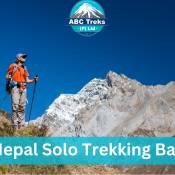
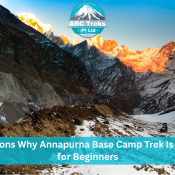
Mount Everest, at 8,848 meters, is the highest mountain on Earth. However, locals know it as Chomolungma in Tibetan, meaning “Goddess Mother of the World,” or Sagarmatha in Nepali, meaning “Forehead of the Sky.” In addition, the name Everest honors British surveyor Sir George Everest from 1865. These examples highlight how Himalayan mountain names often blend ancient languages, geography, and culture. Moreover, many derive from Sanskrit, Tibetan, or local dialects. For instance, the range itself means “abode of snow” in Sanskrit. Understanding Himalayan mountain names adds depth to any trek.
At ABC Treks, we share these facts on our guided trips. Furthermore, explore our Everest Base Camp Trek or Annapurna Base Camp Trek to learn more.
Introduction: Origins of Himalayan Mountain Names
Himalayan mountain names come from diverse sources. For example, Tibetan, Nepali, and Sanskrit influences shape them. Additionally, some reflect physical features, while others honor deities. This mix creates rich stories behind Himalayan mountain names. As a result, trekkers gain cultural insight. The Nepal Tourism Board notes these names preserve heritage. Consequently, knowing them enhances your journey.
Mount Everest: The World’s Highest Peak

Mount Everest stands at 8,848 meters. In contrast, its Tibetan name Chomolungma means “Goddess Mother of the World.” Meanwhile, Nepali calls it Sagarmatha, or “Peak of Heaven.” British surveyors named it Everest in 1865 after Sir George Everest. Thus, Himalayan mountain names show cultural layers.
For more, visit the official Nepal Tourism Board. Join our Comfort Everest Base Camp Trek to hear guides explain these tales.
Annapurna: Goddess of the Harvest

Annapurna reaches 8,091 meters as the 10th highest peak. Its Sanskrit name means “full of food” or “provider of nourishment,” linked to the Hindu goddess Annapurna. Therefore, it symbolizes abundance from fertile valleys below. This makes Himalayan mountain names spiritually significant.
Experience it on our Annapurna Circuit Trek. Check trekking info at Welcome Nepal.
Kanchenjunga: Five Treasures of the Snow

Kanchenjunga, at 8,586 meters, is the third highest. The name translates from Tibetan as “The Five Treasures of the Great Snow,” referring to its five summits. Locals consider it sacred, often avoiding the true summit out of respect. Hence, Himalayan mountain names honor traditions.
Though we don’t offer this trek yet, learn more via the Nepal Tourism Board.
Makalu: The Great Black One

Makalu rises to 8,485 meters as the fifth highest. In Sanskrit, it means “The Great Black,” describing its dark rock against snow. This descriptive style is common in Himalayan mountain names.
Discover similar peaks on our Everest Base Camp Trek, where Makalu is visible.
Dhaulagiri: The Dazzling White Mountain

Dhaulagiri, seventh highest at 8,167 meters, means “White Mountain” in Sanskrit from “dhawala” (dazzling) and “giri” (mountain). Its gleaming snow inspires the name. So, visual beauty often defines Himalayan mountain names.
View it during our Annapurna Base Camp Via Poonhill trek.
Frequently Asked Questions About Himalayan Mountain Names
What do Himalayan mountain names mean? Most come from Sanskrit or Tibetan, describing appearance, deities, or treasures, like “abode of snow” for the range itself.
Why does Mount Everest have multiple names? It reflects cultures: Chomolungma (Tibetan), Sagarmatha (Nepali), and Everest (English survey name).
Are Himalayan mountain names sacred? Yes, many are, such as Kanchenjunga, leading to respectful climbing practices.
How old are these names? Local names date back centuries; survey names like Everest are from the 1800s.
Where can I learn Himalayan mountain names on a trek? Our ABC Treks guides explain them during trips like Gokyo Lake Everest Trek.
Conclusion: Discover These Stories on a Trek
The stories behind Himalayan mountain names reveal Nepal’s heritage. From Everest’s divine titles to Annapurna’s nourishing spirit, they inspire awe. Now, bring these tales to life. Contact ABC Treks for personalized adventures. Inquire today at our contact page or book your trek and connect with the Himalayas like never before.